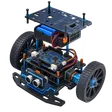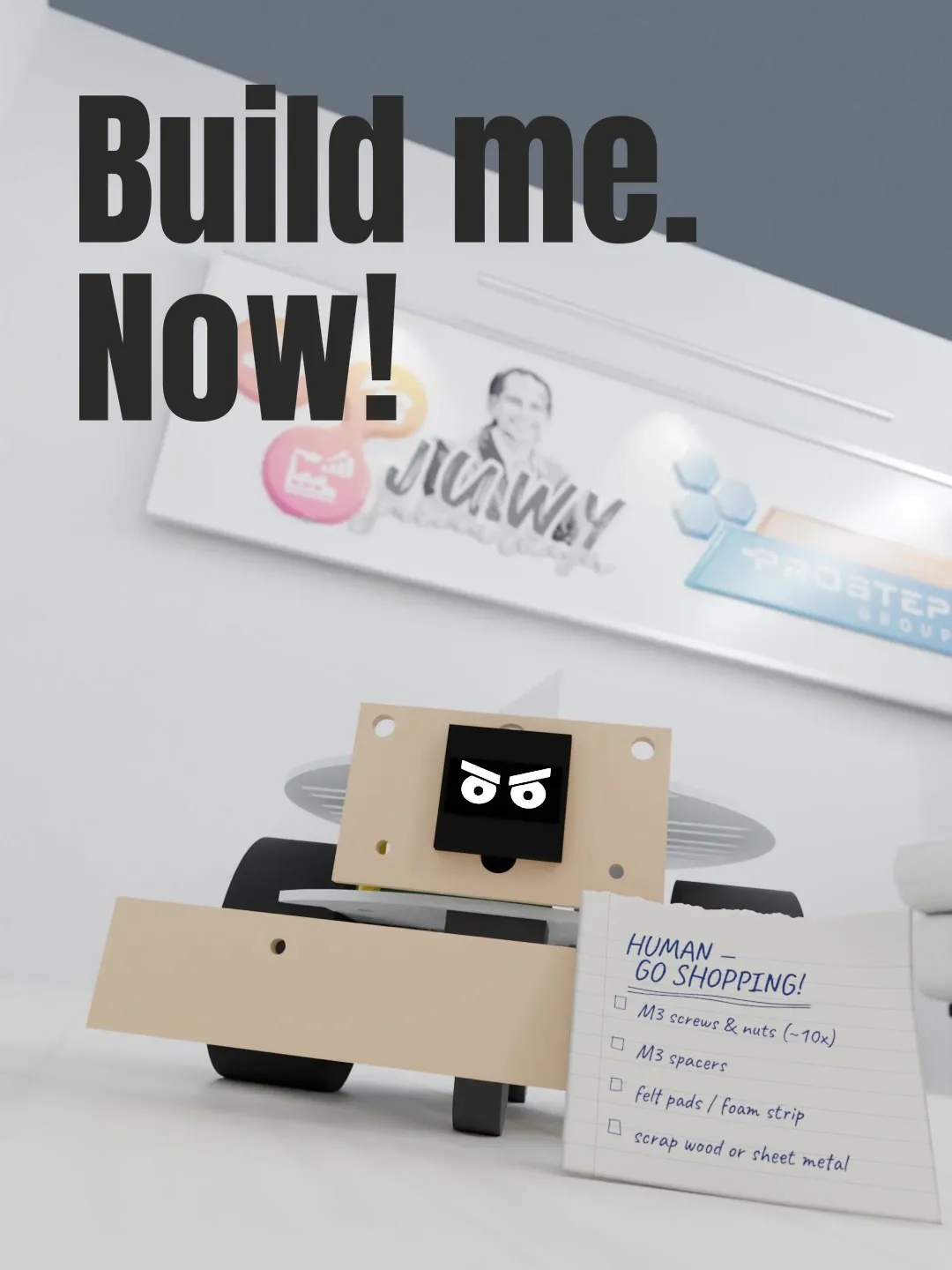

Some time ago I started building an autonomous engineering agent (hoping it wouldn’t turn against me…) — and now it’s time: its creation has been designed, calculated and simulated, and the firmware is written: The creature is pawing at the ground with its “hooves” and wants to be built!
The design in numbers
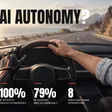
The video above shows how impatient the robot has become. Time for a few key figures: what actually happened between “Hey computer, can you develop a small DIY robot?” and the demand to be built?
Behind the tiles is everything that belongs in any engineering project: requirements, architecture, bill of materials, firmware, test cases and a simulation that sends the robot driving through the living room. The agent calculated the parts at a total cost of €74.70, shipping included.
Driving the robot - with real firmware
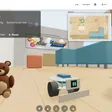
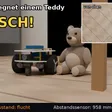
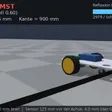
You can also try the robot yourself online: the browser demo runs the real firmware with real physics. Admittedly, with a teddy bear and a ball it’s a bit playful — but it’s also genuinely useful. Without this simulation I wouldn’t have caught a few not-so-sensible shortcuts and simplifications my agent had taken.
Not a toy - potential in engineering
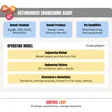
The robot is a toy, but my “operating model” behind it is not: requirements, architecture, CAD, firmware, simulation, all linked together. Especially for customer-specific project work and special-purpose machinery, where variations of the same technology keep coming up, there is enormous potential for comparable use cases. For a look at how I set up the agent for this, see the post on the operating model. Direction is still set by the human.
PLM and ALM are my day-to-day business at BHC / PROSTEP, and the Digital Thread is my topic. An agent that runs through this chain on its own shows quite directly where the field is heading. If you want to think this through for your own engineering process: get in touch.
Now it gets built
The shopping list is written, now it’s my turn: sourcing, soldering, screwing. Whether the robot does in reality what it promises in the simulation remains to be seen.
To be continued: it’s getting built!